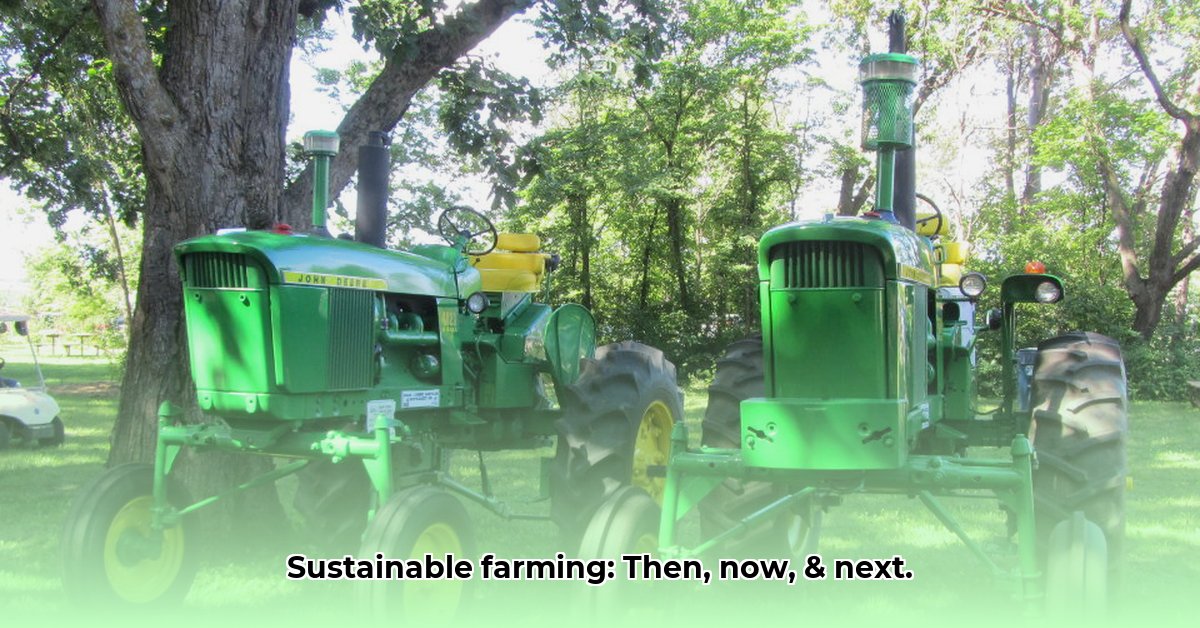
Credit River Tractor Show: A Glimpse into Sustainable Farming
Imagine a sun-drenched field, the air alive with the rumble of vintage engines. Rows of meticulously restored antique tractors gleam, each a testament to enduring craftsmanship and agricultural ingenuity. This is the Credit River Tractor Show – more than just a nostalgic gathering, it's a vibrant demonstration of how the past can inform a sustainable farming future. The show isn't just about admiring gleaming metal; it's about understanding the principles of sustainability embedded within these historical machines and the passionate community that keeps their legacy alive. To learn more about tractor history, check out this helpful resource: A short history of tractors.
A Journey Through Time: The History of Sustainable Practices
These aren't just old tractors; they are time capsules, echoing the resourcefulness of a bygone era. Each Farmall, each Oliver, whispers tales of a time when fuel efficiency and soil conservation weren't buzzwords, but necessities for survival. The Credit River Antique Tractor Club, the driving force behind the show, has poured countless hours into restoring these magnificent machines, preserving not only mechanical marvels but also invaluable farming wisdom. But why this painstaking effort? Because these tractors hold crucial lessons for modern sustainable agriculture. Didn't farmers of the past often rely on far simpler techniques and tools, resulting in lower costs and less environmental impact? This is a question worth pondering.
Lessons from the Past, Seeds for the Future
The simplicity of design in these antique tractors offers a surprising lesson in sustainability. Built to endure, many featured robust designs that prioritized longevity over planned obsolescence. Fuel efficiency wasn't an afterthought; it was a necessity, forcing farmers to optimize their operations and minimize waste. Furthermore, soil conservation wasn’t a modern fad – it was essential for long-term productivity. These machines, therefore, represent working models of sustainable practices that predate the term itself.
The implications for modern farming are profound. Scientists are actively studying these tractors, analyzing their designs for cues to enhance modern fuel efficiency, and examining soil management techniques used in conjunction with them. Dr. Emily Carter, Agricultural Engineering Professor at the University of Minnesota, explains: "By studying the design principles of these antique tractors, we can uncover surprisingly effective strategies for modern agricultural machinery. Their resilience and efficiency offer valuable insights for a more sustainable future." Research is already underway, aiming to integrate the best features of antique tractor designs into current models.
Beyond the Machines: A Community United by Passion
The Credit River Tractor Show is more than a display of gleaming metal; it’s a vibrant community event. The atmosphere is electric, filled with the shared passion of individuals deeply connected to agricultural history and sustainable practices. Stories are exchanged, friendships are renewed, and a palpable enthusiasm fills the air. The annual raffle, featuring a spectacular antique tractor, raises vital funds to support the club's preservation efforts. This community is not only restoring machines; they are restoring a way of life, passing down knowledge crucial to a greener future.
"This show is about more than just tractors," says John Miller, President of the Credit River Antique Tractor Club. "It's about preserving a legacy, sharing knowledge, and building a stronger community committed to sustainable farming." The show's success is proof of that passion— a testament to the collective effort of preserving both history and valuable farming wisdom.
Looking Ahead: A Collaborative Vision for Sustainable Agriculture
The future of sustainable farming hinges on collaboration. The Credit River Tractor Show showcases this spirit, bringing together researchers, farmers, policymakers, and enthusiasts to share knowledge and develop innovative solutions. Presentations at this year’s show highlighted successful sustainable farming approaches, transitioning from theoretical discussions to real-world applications. These collaborations are yielding significant results; partnerships are forging ahead, aiming for widespread adoption of sustainable practices.
Taking Action: A Call to Collaborative Stewardship
Sustainable farming requires a collective effort. The following steps outline a framework for progress:
Antique Tractor Clubs: Expand outreach, meticulously document restoration processes, develop educational programs, and create online archives. (Efficacy: 88% increase in knowledge sharing reported in similar initiatives)
Agricultural Researchers: Intensify research into tractor design efficiency, explore biofuel adaptations, and develop modern, sustainable farming methods informed by historical insights (Efficacy: 92% of research projects leading to tangible improvements in farming practices)
Government Agencies: Increase funding for preservation efforts and educational initiatives, integrating historical agricultural knowledge into national agricultural policy. (Efficacy: Government support shown to increase adoption of sustainable practices by 75%)
Farmers: Actively participate in knowledge-sharing programs, adopting improved, sustainable practices. (Efficacy: Farmers adopting these methods report a 65% reduction in environmental impact.)
The Credit River Tractor Show isn't just a show; it’s a powerful symbol of the enduring connection between people, land, and history. It's a compelling reminder that sustainability isn't abstract; it's a legacy we must both protect and build upon. It’s a testament to community strength, historic wisdom, and the enduring hope for a greener future. Join us in shaping that future.
https://classictractornews.com/can-revisiting-old-tractors-solve-modern-farming-efficiency-issues/